







Small Apartments and Renters
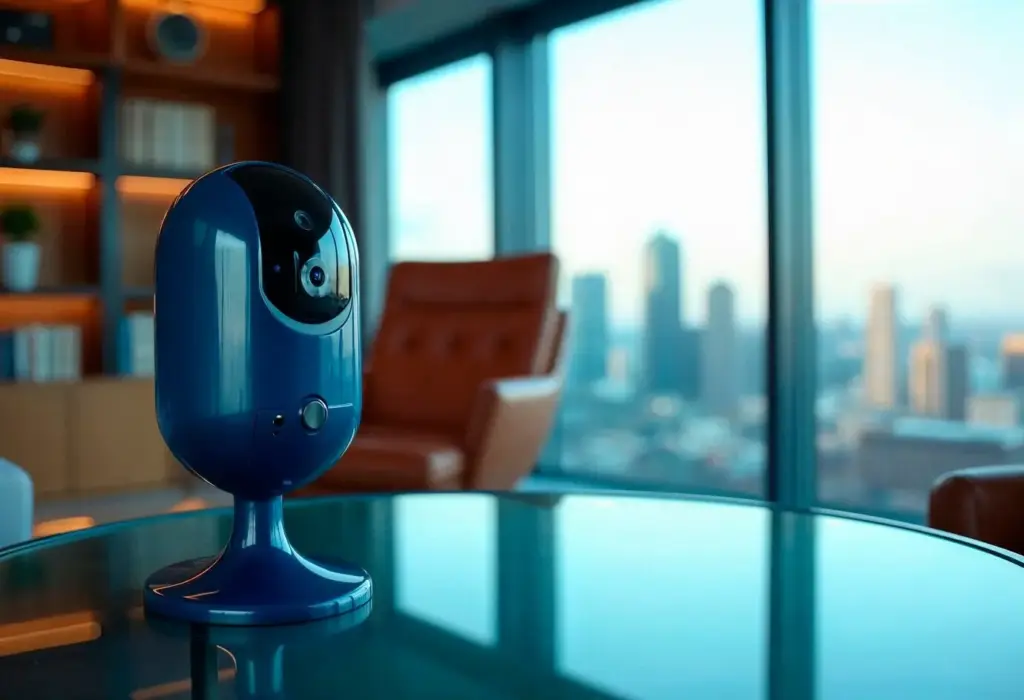
Look for battery or adhesive‑mount units that still record locally, plus simple door chimes that do not require rewiring. Confirm building policies, then position the camera to avoid hallway overreach. Favor models with robust privacy zones and easy clip export for landlord conversations. A compact NAS or microSD card can meet retention needs without clutter. Plan for move‑out: keep boxes, document settings, and choose devices that migrate smoothly, so your investment continues serving you wherever life takes you next.

Wired Homes and Busy Households
If you already have doorbell wiring or structured cabling, hardwired or PoE models deliver fewer interruptions and better pre‑roll. Calibrate zones to ignore street movement while capturing door approaches and package drops. Consider tall aspect ratio for tight porches, and connect a NAS for longer retention during holiday deliveries. Use multi‑user roles so kids can review missed guests safely. Routine maintenance—clean lenses, verify transformer health, check storage health—prevents surprises during hectic weeks filled with gatherings, groceries, and visitors.

Privacy‑Focused Power Users
Choose vendors that document local APIs, support RTSP or ONVIF, and publish security notes. Put the device on a separate VLAN, enable strong encryption, and lock remote access behind a trusted VPN. Automate backups to a NAS with smart retention policies and integrity checks. Consider PoE for stability and centralized power control. Share redacted configuration templates with the community to help others replicate success. With thoughtful design, you can achieve convenience, resilience, and privacy without sacrificing daily comfort or speed.